United States + Screw Press + Fibrous Slurries
Product: Screw Press
Country: United States
Application: Fibrous Slurries
Handling fibrous slurries is one of the toughest challenges in industrial processing. Whether it’s wood pulp, food waste, agricultural residue, or biosludge, these materials are sticky, interlocking, and resistant to simple filtration. Yet efficient solid-liquid separation is critical for product quality, chemical recovery, waste reduction, and energy savings. That’s where modern screw presses prove indispensable.
Why Fibrous Slurries Are Different
Fibers tend to mat and clog conventional screens. They hold water in capillary spaces and between swollen cell walls. Simple gravity drainage or vacuum filtration often leaves too much moisture, requiring excessive thermal drying. Presses overcome this by applying controlled mechanical compression, physically squeezing out liquid while keeping the fiber structure intact. The result is a drier, denser cake that is easier to handle, transport, and process further.
How Presses Work
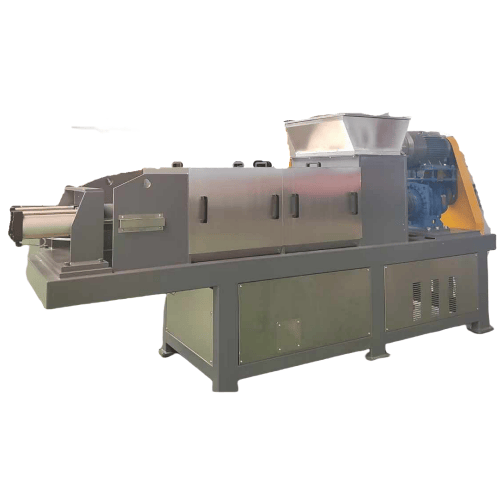
Screw presses are the most common choice. They consist of a rotating screw inside a cylindrical screen. As material moves along the screw, the volume gradually decreases—either by increasing shaft diameter or reducing pitch—creating rising pressure. Liquid escapes through the screen, and the dewatered solids exit at the discharge end. An adjustable back-pressure cone allows fine-tuning of outlet dryness.
Key Benefits
Modern presses deliver outstanding dewatering performance. Typical screw presses raise consistency from 5–10% feed to 35–45% discharge, and advanced models can reach 50% or more. This drastically reduces the energy needed for subsequent drying—often the biggest operational cost.
They also minimize fiber loss. Tight tolerances and gentle yet firm compression retain valuable solids while recovering clean liquid. For pulp mills, this means more black liquor recovery and fewer chemical losses. For food processors, it means higher juice yield and drier pomace.
Operational flexibility is another strength. Presses handle varying feed consistencies and fiber types without major adjustments. Automated systems adjust back pressure in real time, maintaining consistent output despite upstream fluctuations. Maintenance is straightforward, with wear parts designed for long service life.
Energy consumption is low compared to centrifuges or thermal dryers. The pressing action uses only mechanical power, and many modern drives are energy-efficient. The compact footprint also saves floor space, a valuable asset in crowded plants.
For any operation dealing with fibrous slurries, a well-chosen press is not just a piece of equipment—it’s a strategic asset. It lowers energy use, recovers valuable liquids, reduces waste volume, and improves downstream processes. Reliable, versatile, and cost-effective, screw and belt presses have earned their place as the go-to solution for solid-liquid separation. If you handle fibers, a press is the answer.
After-Sale Services
- Quality guarantee: 12 months after the equipment having been operated.
- Satisfied after-sell service: free maintenance and inspection.
- Detailed installation instructions, CAD drawing and product qualification certificate.


Any Requirements, Contact Us Now!
Nina
Email/Teams: nina@filtrationchina.com
Mobile/WhatsApp/WeChat: +86 17269571060