How to choose a centrifuge?
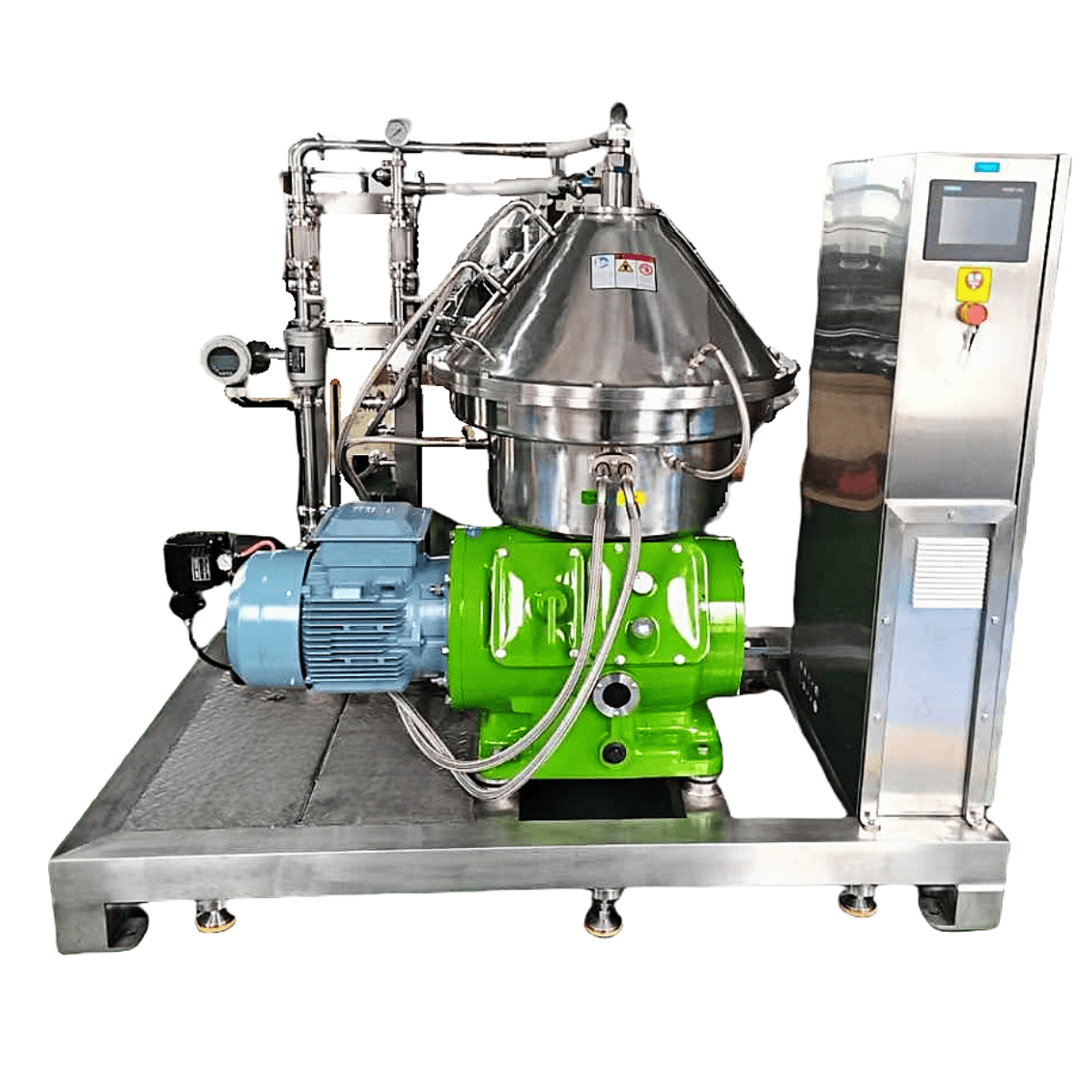
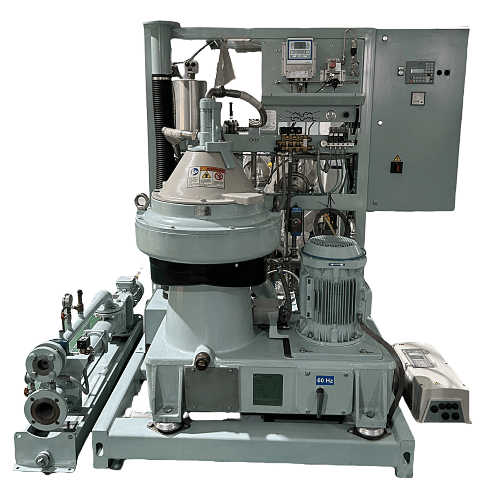
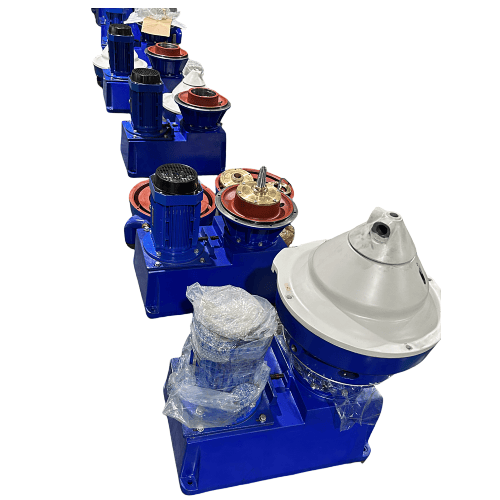
A centrifuge is a powerful device that uses the centrifugal force generated by high-speed rotation to separate solid particles from the liquid in a suspension, or to separate two liquids with different densities. JX Filtration's product line primarily offers disc centrifuges, horizontal centrifuges, and standard centrifuges.
I. Optimal Material Characteristics for Centrifuge Processing
Centrifuges are not a panacea. They perform best under the following material conditions:
- Large solid-liquid density difference: Centrifugation is highly effective when the density difference between the solid and liquid is ≥ 0.05 g/cm³. The greater the density difference, the easier and more thorough the separation.
- Fine solid particles: Centrifuges can handle particles as small as 1-10 micrometers (such as bacteria, yeast, and catalyst powder), which is difficult to achieve with gravity sedimentation or ordinary filtration.
- Wide suspension concentration range: Centrifuges can handle concentrations from extremely low (< 1%) to high (20%-50%), but different models have optimal concentration ranges.
- Moderate Liquid Viscosity: High-viscosity liquids (such as heavy oil and syrup) reduce separation efficiency, requiring higher centrifugal force or special designs.
- Heat-Sensitive or Volatile Materials: Centrifuges can be designed as closed, low-temperature, or nitrogen-protected systems, suitable for processing heat-sensitive materials (such as antibiotics, fruit juices, and biological products).
- Continuous or Batch Processing Required: Horizontal centrifuges allow for continuous feeding and slag discharge; disc centrifuges allow for continuous or intermittent slag discharge, adapting to different process requirements.
II. JX Filtration's Professional Advice
Before selecting a centrifuge, please confirm the following key information, and we will match you with the appropriate model:
- Full name and composition of the material (e.g., "oil-containing sludge, oil content 10%, water content 80%, solids 10%)".
- Particle size distribution (D50, D90 values) and density of the solid particles.
- Liquid density and viscosity (at operating temperature).
- Processing capacity (tons/cubic meter per hour). 5. Separation objectives (e.g., required filtrate solids content < 0.5%, or filter cake moisture content < 20%).
- Process requirements (continuous operation, explosion-proof, sterile, corrosion-resistant, etc.).
Centrifuges are best suited for processing materials with fine particles, large density differences, requiring high separation efficiency, or requiring continuous operation. If your materials fall into one of these categories, centrifuges are often a more efficient and economical choice than filtration. We welcome more details from you; JX Filtration will provide you with detailed selection solutions and quotations!
Any requirements, contact us now!
Nina
Email: nina@filtrationchina.com
Mobile/Whatsapp/WeChat:+86 172 6957 1060