What kinds of materials are drum filters suitable for processing?
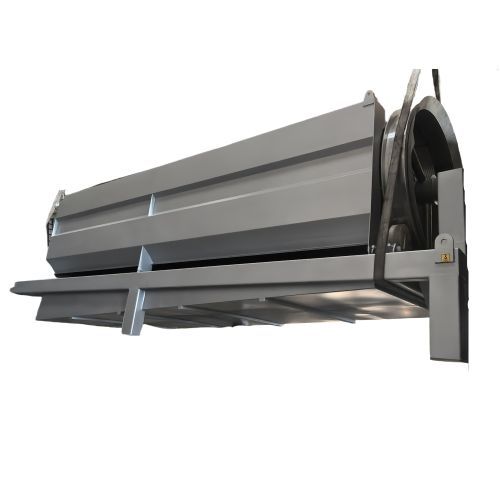
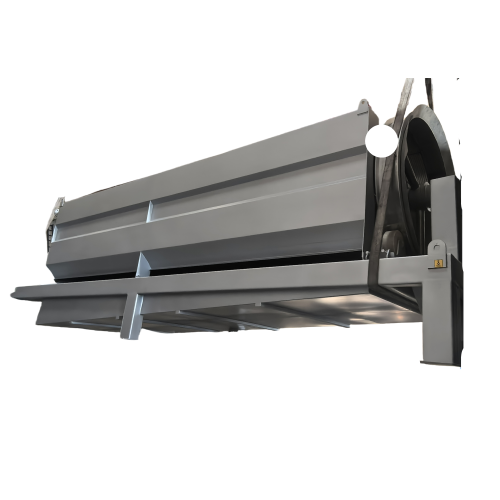
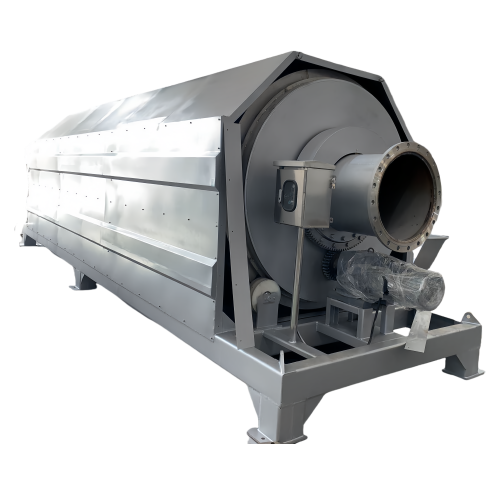
Rotary drum filters are devices that rely on centrifugal force for solid-liquid separation. Their core principle is to use the centrifugal force of a rotating screen or drum, combined with the screen's retention effect, to separate suspended solids from the liquid.
They are particularly suitable for processing materials with the following characteristics:
1. Low solids content (low concentration) liquids
- Typical solids content range: < 500 mg/L (even lower, down to tens of mg/L).
- If the solids content is too high, the screen is prone to clogging, requiring frequent backwashing and affecting efficiency.
2. Fine particulate suspensions
- Retention particle size range: typically 20~200 micrometers (depending on the screen mesh size, such as 100 mesh, 150 mesh, 200 mesh, etc.).
- Common materials: algae, fibers, fine sand particles, activated sludge fragments, pulp fibers, food processing residues (such as fruit peels, fruit pit fragments, etc.).
3. Low-viscosity, high-flow-rate liquids
- Viscosity is recommended to be < 100 cP (centipoise); otherwise, the liquid will have difficulty passing through the screen, reducing separation efficiency.
- Typical applications: circulating cooling water, aquaculture wastewater, mineral washing water, municipal wastewater pretreatment, industrial cleaning wastewater, etc.
4. Applications where solids recovery rates are not extremely high
- Microfilters are coarse filters, with solids recovery rates typically between 60% and 90% (depending on particle characteristics). They are suitable for pretreatment or primary separation, and can be followed up with finer filtration equipment (such as bag filters or cartridge filters).
5. Applications requiring continuous operation and low maintenance
- Microfilters have built-in backwashing or self-cleaning functions (such as rotating brushes or high-pressure water washing), making them suitable for processing materials containing fibers or prone to clogging, and offering a high degree of automation.
Not recommended material characteristics:
- High solids content (>1%), high viscosity (>200 cP), extremely fine particles (<10 microns), or oil/colloidal substances (easily adhere to the screen).
- If the material contains strong acids or alkalis or is at high temperatures (>80℃), the screen material must be confirmed (usually 304/316L stainless steel).
Advantages of JX Filtration microfiltration units:
- Uses 316L stainless steel screens, corrosion-resistant and long-lasting;
- Self-cleaning structure, low backwash water volume (<1% of throughput);
- Customizable screen precision (100~1000 microns) to suit different industry needs.
For further selection or technical parameters, please provide the material name, concentration, temperature, pH value, and target separation precision. JX Filtration will recommend the optimal solution for you.
Any requirements, contact us now!
Nina
Email: nina@filtrationchina.com
Mobile/Whatsapp/WeChat:+86 172 6957 1060